

Conversely, larger businesses might opt for in-house bookkeeping because they have sufficient resources and prefer greater control over their financial operations. Utilizing digital tools or software solutions can streamline expense tracking significantly. These tools not only make it easier to record and categorize expenses but also provide valuable insights into spending patterns over time. This method allows them to match revenues with expenses in a way that reflects the actual flow of economic activity, providing a clear picture of the company’s financial health over time. Emphasizing the significance of separating personal and business finances is essential to maintain financial protections.

Professional Tax Preparer Certification Course

Invest the time and resources necessary to establish strong bookkeeping practices, and you’ll reap the benefits of increased financial clarity and control. State tax regulations vary, so consult your Secretary of State’s office to understand and meet your specific state requirements. File timely tax returns at both state and federal levels to keep your company in good standing. Develop a routine ledger account for logging transactions daily, reconciling your books monthly and quarterly, and maintaining precise records ongoing.

organized books enable you to make better-informed business decisions
BlackRock will not be liable for direct or incidental loss resulting from applying any of the information obtained from these materials or from any other source mentioned. BlackRock does not render any legal, tax or accounting advice and the education and information contained in this material should not be construed as such. Please consult with a qualified professional for these types of advice. Some tax experts say that your chance of getting audited skyrockets if you start a business. Therefore it’s imperative that you save your receipts so you can defend yourself should that happen.
- Maintaining separate accounts also assists in tracking income and expenses related to the business, making tax preparation easier while minimizing potential legal issues.
- Good accounting and bookkeeping practices are essential not only to knowing the financial state of your business, but also to staying legally compliant and making sound business decisions.
- However, for purposes of employment tax and certain excise taxes, an LLC with only one member is still considered a separate entity.
- You can expect most bookkeepers to maintain the general ledger and accounts while the accountant is there to create and interpret more complex financial statements.
- CPAs can guide clients through the financial and tax implications of forming an LLC, though the legal filing may need to be completed through an attorney or formation service.
- Open separate banking, checking, and credit card accounts in the name of your company using the tax ID number.
What are the options in the choice of accounting methods for limited liability company accounting?
Before we get ahead of ourselves, let’s pause and reflect on the true meaning of the three letters that make up LLCs. An LLC, also known as a limited liability company, can’t be defined as a partnership or a corporation. However, it can often be compared to a corporation in the sense that it has many of the same rights, without the same tax liabilities. That’s because LLC accounting is the backbone of all limited liabilities companies. LLC company owners need to llc accounting basics focus on building strong accounting strategies that can back up their business finances from the get-go.
Shoeboxed
This term refers to the obligation of a trustee (or fiduciary) to act in the best interests of the beneficiaries. Comprehensive and transparent trust accounting can prevent misunderstandings and legal issues, providing peace of mind to both trustees and beneficiaries. Limited liability means that the assets and debts of the business remain separate from the personal assets and debts of the LLC’s owners. In most cases, if an LLC goes bankrupt, creditors can only go after the assets of the business and not of the owners.
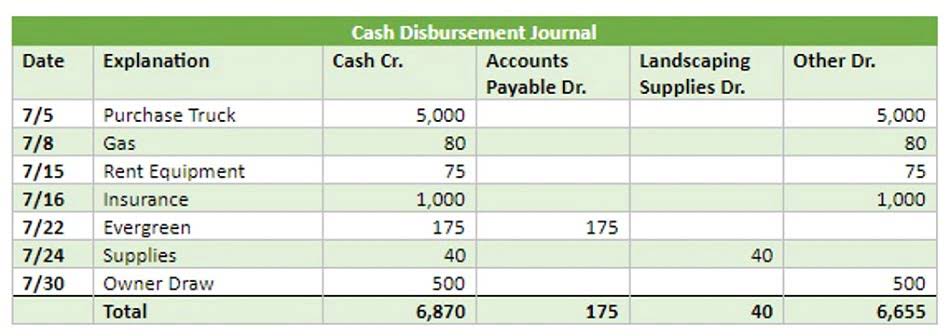
It’s straightforward and suitable for businesses without significant inventory or equipment. These include entering data, categorizing transactions and managing accounts receivable. Ultimately, the insights gained help you better understand your business’s health. Whether the LLC chooses to get taxed as a sole proprietorship or as a corporation, there are plenty of steps to take in order to ensure expenses and income are appropriately managed and recorded.
- We provide recommendations on your accounting, bookkeeping, and tax needs during your first year of business.
- In many cases, you will be able to download the information directly into tax preparation software such as TurboTax or grant permission for your accountant to view your information online.
- Also, to manage its accounting for LLC the business can decide to either hire or consult with a professional business accountant.
- A limited liability company (LLC) is a business structure in the U.S. that protects the assets of its owners from lawsuits and creditors concerned with the company’s business debts.
- Shorter-term goals (e.g. vacations, emergency funds) may require a more conservative investing approach, with a focus on safety and preservation of capital.
But of course, with these advantages, there are also some important responsibilities… first and foremost, a responsibility to practice smart, strategic LLC accounting. Finally, you can also use software such as QuickBooks or FreshBooks to track business costs. Be aware of the frauds always Car Dealership Accounting and check forensic accounting inventory. Our motivational Activity Streaks build effective habits by tracking daily performance and rewarding consistent momentum with hot streaks.
